


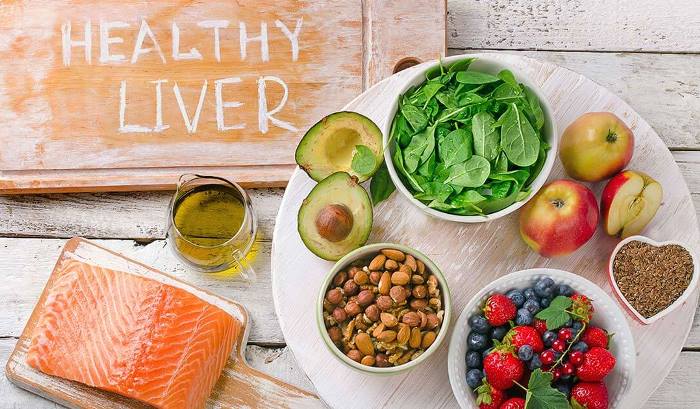
Playing a crucial role in detoxification, metabolism, nutrient storage, and hormone regulation, the liver stands as one of the body’s largest organs. Prioritizing a healthy liver is of utmost importance for comprehensive well-being.
Adopting a liver-healthy diet can provide the necessary nutrients to support liver function, reduce the risk of liver diseases, and promote optimal liver health. In this article, we will explore the key components of a liver-healthy diet and provide practical tips for incorporating them into your lifestyle.
1. Antioxidant-Rich Fruits & Vegetables
Include a variety of antioxidant-rich fruits and vegetables in your diet to support liver health. Berries, grapes, citrus fruits, leafy greens, cruciferous vegetables (such as broccoli, cauliflower, and Brussels sprouts), and colorful vegetables like beets and carrots are excellent choices. These foods are packed with antioxidants that help protect the liver from oxidative stress and inflammation.
2. Whole Grains
Choose whole grains such as brown rice, quinoa, whole wheat bread, oats, and whole grain pasta. These fiber-rich foods help regulate blood sugar levels, prevent fatty liver disease, and provide essential nutrients that support liver health. Whole grains also promote healthy digestion and assist in weight management, reducing the risk of non-alcoholic fatty liver disease (NAFLD).
3. Lean Proteins
Incorporate lean protein sources into your liver-healthy diet, including skinless poultry, fish (such as salmon, tuna, and trout), legumes (beans, lentils), and tofu. Lean proteins provide essential amino acids that support liver regeneration and repair. They are also lower in saturated fats, which helps prevent the accumulation of fat in the liver.
4. Healthy Fats
Include healthy fats in moderation, such as avocados, nuts (such as walnuts, almonds), seeds (such as flaxseeds and chia seeds), and olive oil. These sources of monounsaturated and polyunsaturated fats provide anti-inflammatory properties and support liver health. Avoid or minimize the consumption of trans fats and saturated fats found in processed and fried foods.
5. Cruciferous Vegetables
Cruciferous vegetables like broccoli, cauliflower, cabbage, and Brussels sprouts contain compounds that support liver detoxification enzymes. Including these vegetables in your diet enhances the liver’s ability to eliminate toxins and harmful substances from the body.
6. Hydration
Proper hydration is essential for liver health. To facilitate optimal liver function and facilitate the elimination of waste products, ensure you consume an ample amount of water throughout the day. Avoid excessive alcohol consumption, as it can cause liver damage and impair liver function.
7. Limit Processed & Sugary Foods
Minimize your intake of processed foods, sugary snacks, sodas, and foods high in refined carbohydrates. These foods contribute to weight gain, insulin resistance, and fatty liver disease. Instead, focus on whole, unprocessed foods and choose natural sweeteners like honey or opt for naturally sweet fruits.
Conclusion
A liver-healthy diet consists of nutrient-dense foods that support liver function, reduce the risk of liver diseases, and promote overall well-being. By incorporating antioxidant-rich fruits and vegetables, whole grains, lean proteins, healthy fats, and staying properly hydrated, you can nourish your liver and take significant steps towards maintaining optimal liver health.


